
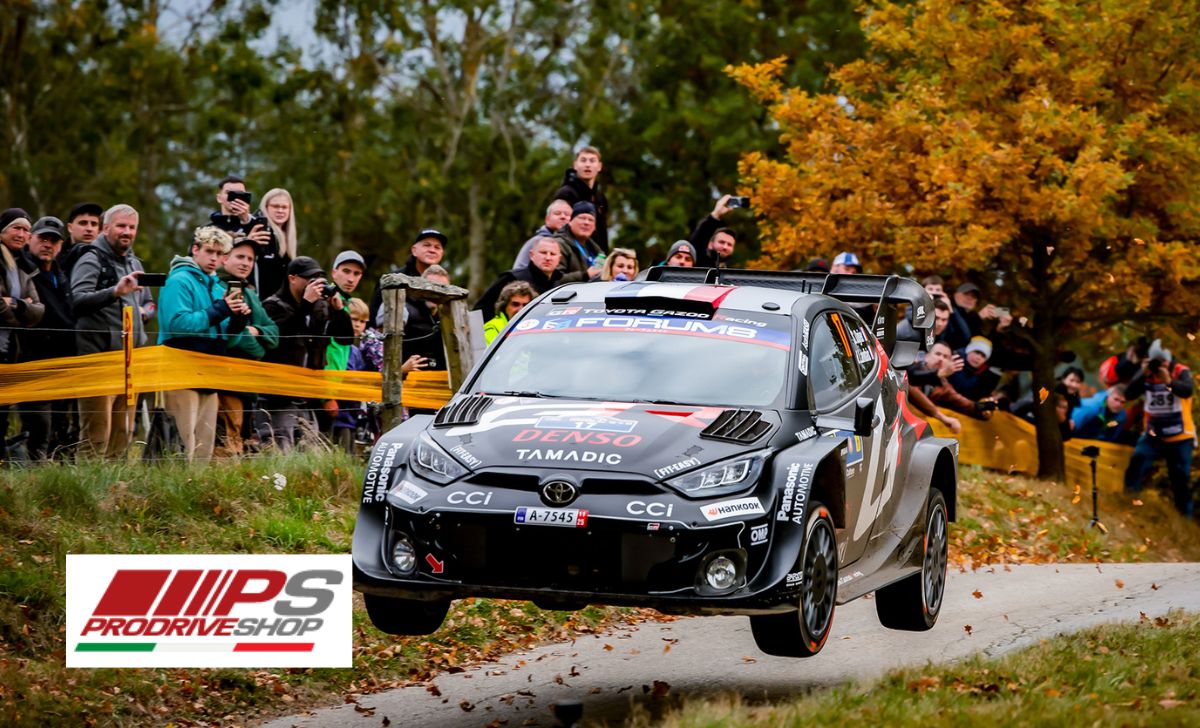
The Rally It is one of the most fascinating and complex motorsport disciplines. Not just a race of speed, but a blend of strategy, precision, endurance, and passion.
Enter the the world of rallying, however, is a step that requires clear financial planning.
Although it is difficult to put exact figures on it, there are three main areas of expenditure that help to illustrate the overall scale of the investment: the initial cost of the car, maintenance and licences. Read on to find out all the costs behind the maintenance of a’rally car.
The initial budget for buying the car
Buying or building a rally car It means entering a technical and regulated world. Even the most “affordable” models must comply with safety standards, specific specifications and precise type-approvals.
The initial budget is therefore intended not only to cover the purchase of the vehicle, but also its conversion into a racing car: roll bar, configuration, racing seats and harnesses, safety equipment and communication systems between the pilot and the co-pilot.
Many novice drivers choose to compete in lower-category or production-class cars, to keep costs down and gain experience.
Others, however, prefer to rely on specialist teams that provide ready-to-race cars and full race management – a more expensive option, but also a more “turnkey” solution.
Maintenance: the long-term cost
In rallying, every race puts the car through its paces to the extreme. Mud, gravel, rain, knocks, temperature fluctuations: all these factors combine to cause mechanical components to wear out much more quickly than in a road car.
For this reason, the maintenance It represents an ongoing expense, which includes frequent servicing, the replacement of parts and technical support during events.
Generally speaking, professional teams have mobile workshops and dedicated mechanics on hand, ready to step in between practice sessions, but amateur drivers too need to factor in the costs of tyres, brakes, oil, fuel and safety checks periodicals.
It is an essential part of the game: performance depends as much on the driver’s talent as on the efficiency of the car.
Licences and organisational costs
As well as the car, to race you need the sporting licence, issued by national motor sport federations (ACI Sport) e international (FIA). Obtaining a licence requires a training course and medical examinations, which are essential to ensure safety during races.
On top of these come rally entry fees, transport costs, insurance, and often also the logistical expenses associated with travel and accommodation.
Every competition has its own rules and its own level of affordability, ranging from small local events to national or international championships.
In conclusion, the key to a long-term competitive project is not to find the lowest price, but to establish a balanced investment strategy, with a clear budget and clearly broken down into fixed costs (licences and registration fees) and variable costs (maintenance and support).